

Cushing’s Disease in Dogs: Signs, Symptoms and Treatment
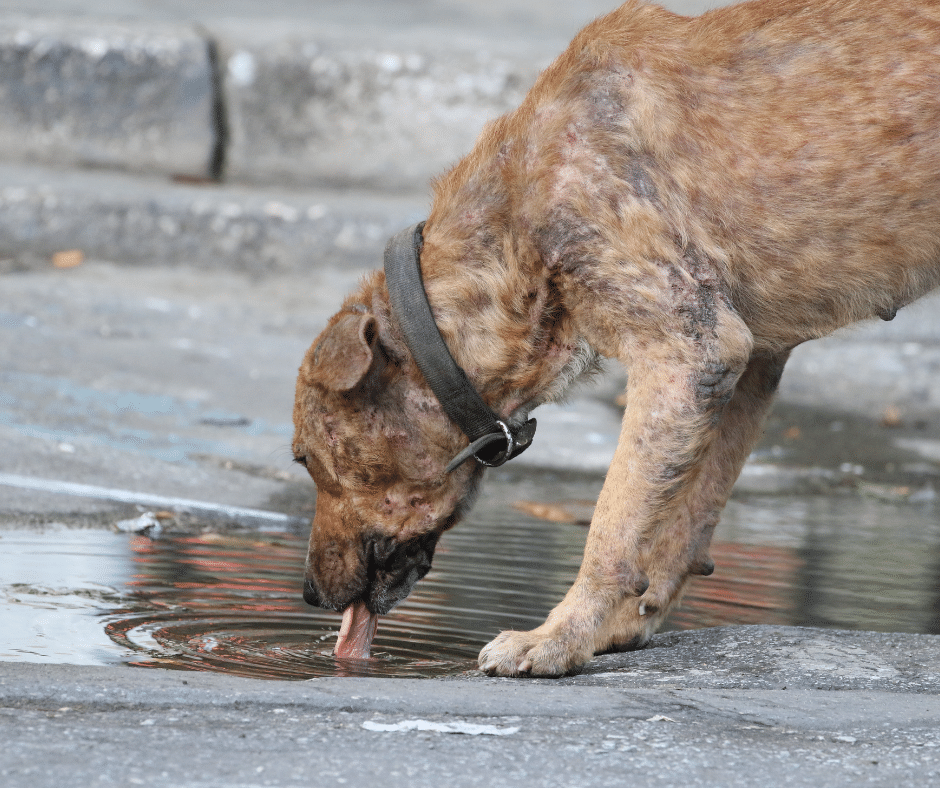
Have you noticed your dog drinking more water than usual, asking to go outside more frequently or developing a noticeably rounder tummy? Perhaps they seem hungrier than normal, are panting more often or have started losing patches of fur?
While these changes can sometimes be associated with ageing, they may also be signs of an underlying medical condition, such as Cushing’s disease.
Cushing’s disease is a hormonal condition that most commonly affects middle-aged and older dogs. Although receiving a diagnosis can feel worrying, many dogs with Cushing’s disease can enjoy a good quality of life with appropriate treatment and ongoing veterinary care.
In this blog, we’ll explain what Cushing’s disease is, the symptoms to look out for and how it can be diagnosed and managed.
What is Cushing’s disease in dogs?
Cushing’s disease, also known as hyperadrenocorticism, occurs when a dog’s body produces excessive amounts of cortisol.
Cortisol is a hormone produced by the adrenal glands, which are located near the kidneys. It plays several important roles in the body, including regulating metabolism, managing the immune system and helping the body respond to stress.
However, when cortisol levels remain abnormally high for prolonged periods, they can negatively affect many different organs and body systems.
There are three main causes of Cushing’s syndrome in dogs:
- Pituitary-dependent Cushing’s disease: The most common form of naturally occurring Cushing’s disease, caused by a tumour that’s usually benign in the pituitary gland at the base of the brain. This leads to excessive production of ACTH which stimulates the adrenal glands to increase cortisol production.
- Adrenal-dependent Cushing’s syndrome: Caused by a tumour in one of the adrenal glands, resulting in excessive cortisol production.
- Iatrogenic Cushing’s syndrome: Develops following prolonged or excessive use of corticosteroid medication.
What are the symptoms of Cushing’s disease in dogs?
Cushing’s disease often develops gradually, meaning its early signs can be subtle and easily mistaken for normal ageing.
Some of the most common symptoms include:
- Increased thirst: Your dog may empty their water bowl more frequently or appear constantly thirsty.
- Increased urination: You might notice more frequent toilet breaks, larger amounts of urine or accidents indoors.
- Increased appetite: Dogs may become unusually hungry, beg for food or search for additional meals.
- A pot-bellied appearance: Muscle weakness and changes in fat distribution can cause the abdomen to become rounded.
- Hair loss: Thinning fur or symmetrical bald patches, particularly along the body and tail.
- Skin changes: The skin may become thinner, darker or more prone to infections.
- Excessive panting: Your dog may pant more than usual, even when resting.
- Reduced energy and muscle weakness: Dogs may become less enthusiastic about exercise or struggle with activities they previously enjoyed.
Some dogs also experience recurrent skin or urinary tract infections and slower wound healing.
Not every dog develops all these symptoms, and their severity can vary considerably.
Importantly, these signs are not exclusive to Cushing’s disease. Other conditions, including diabetes mellitus and kidney disease, can cause similar changes, making veterinary assessment essential.
How is Cushing’s disease diagnosed?
Diagnosing Cushing’s disease can be challenging because many of its symptoms overlap with those of other medical conditions.
If your vet suspects Cushing’s disease, they will begin by discussing your dog’s symptoms, medical history and any medication they are receiving.
A physical examination will usually be followed by diagnostic testing.
Blood and urine tests can help identify changes associated with Cushing’s disease and investigate other possible causes of your dog’s symptoms.
If Cushing’s disease is suspected, your vet may recommend specific hormone tests, such as:
- ACTH stimulation test: Evaluates how the adrenal glands respond to stimulation.
- Low-dose dexamethasone suppression test: Assesses how effectively the body regulates cortisol production.
Further investigations, including abdominal ultrasound or advanced imaging, may be recommended to assess the adrenal glands and help determine the underlying cause.
Because no single test is completely accurate in every case, several investigations may be necessary before reaching a diagnosis.
Can Cushing’s disease in dogs be treated?
Although most cases of naturally occurring Cushing’s disease cannot be permanently cured with medication alone, the condition can usually be managed successfully.
Treatment depends on the underlying cause, your dog’s general health and the severity of their symptoms.
Medication
Most dogs are treated with a medication called trilostane, which reduces cortisol production.
Treatment is generally lifelong, and regular veterinary monitoring is essential to ensure the medication is working effectively without reducing cortisol levels too much.
Your vet may recommend periodic blood tests and adjustments to your dog’s dosage.
Surgery
In selected cases, particularly when an adrenal tumour is present, surgery may be considered. However, this is a specialist procedure and is not suitable for every dog.
For dogs with medication-induced Cushing’s syndrome, your vet may recommend gradually adjusting their corticosteroid treatment.
Never stop or change corticosteroid medication without veterinary guidance, as suddenly discontinuing treatment can also have serious consequences.
Living with a dog with Cushing’s disease
If your dog has been diagnosed with Cushing’s disease, there are several things you can do to support their wellbeing.
Ensure they always have access to fresh drinking water and provide frequent opportunities to toilet. Never restrict their water intake to control excessive urination.
Keep track of changes in appetite, thirst, energy levels and skin condition, as this information can help your vet to assess their response to treatment.
Regular check-ups are particularly important, even if your dog appears to be doing well.
If your dog is receiving trilostane and develops vomiting, diarrhoea, marked lethargy or loss of appetite, contact your vet promptly for advice. These signs may indicate that cortisol levels have become too low.
What is the prognosis for dogs with Cushing’s disease?
The outlook depends on several factors, including the underlying cause, your dog’s age, any other health conditions and their response to treatment.
Fortunately, many dogs respond well to medication and experience considerable improvements in their symptoms.
Excessive drinking, urination and appetite may improve within weeks, while changes in coat quality, muscle strength and skin health can take several months.
With appropriate management, many dogs can continue enjoying a comfortable and happy life.
When should you contact your vet?
If you have noticed your dog drinking excessively, urinating more frequently, developing a pot belly or showing other unexplained changes, it is important not to dismiss these signs as simply part of getting older.
Early veterinary assessment can help identify the underlying cause and ensure your dog receives appropriate care.
We understand how concerning changes in your dog’s health can be. The Chalkland team is here to help you investigate any symptoms, discuss diagnostic options and develop a treatment plan suited to your dog’s individual needs.
Categorised in: News